
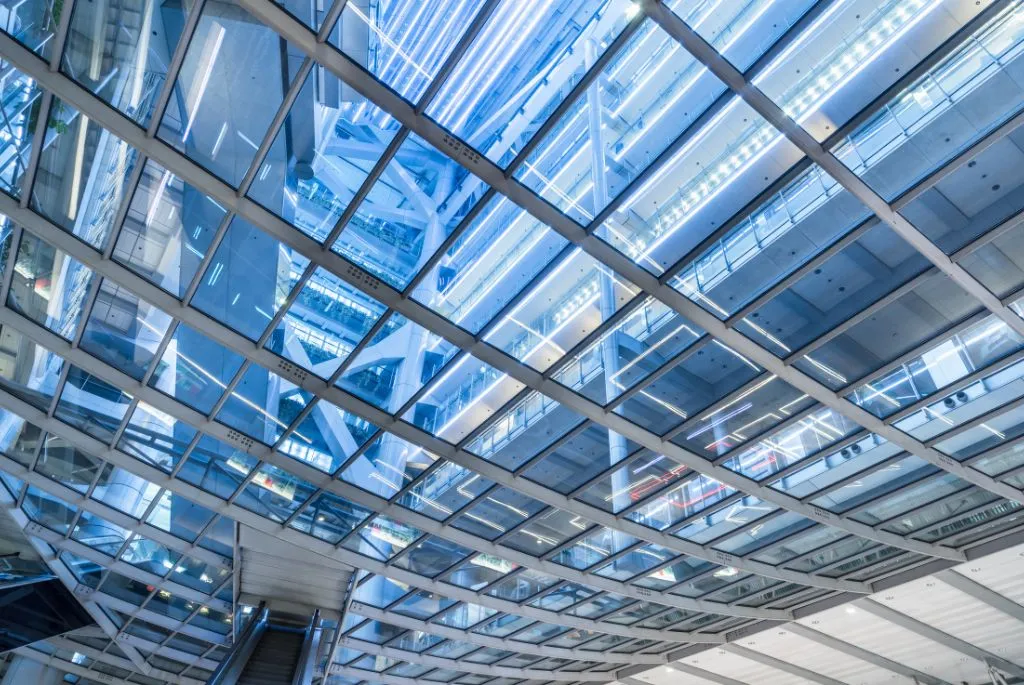
Walk into a room late morning and something feels off in a good way. The lights are off, but the space is already bright. The light isn’t harsh or artificial, it just settles in naturally from above.
That’s where skylight systems quietly change things. In homes, it becomes that one spot where daylight stays longer. In workspaces, it simply feels easier on the eyes through the day.
It’s not just about brightness, though. Skylights affect how light spreads, how heat builds up, and how often artificial lighting is needed. When planned well, they don’t stand out as a feature. They just make the space feel more comfortable without trying too hard.
Why Skylight Systems Are Used in Modern Buildings
Spend a little time in newer buildings and it starts to show. Light isn’t just coming in from the sides anymore. More of it is coming from above, and the space feels different because of it.
Daylight doesn’t stay the same. It shifts through the day, softens the room, and takes away that boxed-in feeling you get with only artificial lights.
Here’s where skylight systems tend to fit in naturally:
- Works where wall windows fall short: Inner rooms, hallways, or tighter layouts still get decent light.
- Less need to switch lights on: During the day, many spaces stay bright on their own.
- Light spreads better across the room: Fewer dark spots, less uneven brightness.
- Rooms feel a bit more open: Even without extra space, it doesn’t feel as closed.
- Helps over time with energy use: Less daytime lighting adds up in the long run.
After a while, it doesn’t feel like an extra feature. It just feels normal for the space to work this way.
How Skylight Protection System Improves Usability
A skylight feels great at first. Then a bright afternoon rolls in or the rain picks up, and suddenly it’s not as easy to live with. Too much glare, a bit of heat building up, maybe even a small leak if things aren’t sealed right.
That’s where a protection system starts to matter. It doesn’t really change how the skylight looks, but it does change how it behaves every day.
- Cuts down harsh glare: The light feels softer instead of hitting too strong during peak hours.
- Keeps heat in check: The room doesn’t warm up as quickly by midday.
- Blocks rain and dust better: Good sealing avoids those small but annoying issues.
- Handles wear over time: Less impact from constant sun and changing weather.
It’s a small layer of control, but it makes the skylight feel less like something to manage and more like something that just works.
The Impact of Natural Light on Indoor Spaces
Around early afternoon, some rooms start to feel dull even with the lights on. Others don’t. The difference is usually daylight.
When light comes in naturally, the space feels a bit more alive. It shifts slowly, so the room doesn’t look the same all day.
- Eyes don’t get tired as quickly: The light feels easier to sit with for longer hours.
- Rooms don’t feel boxed in: Even smaller areas seem a little more open.
- Less need to keep adjusting lights: The brightness stays fairly steady on its own.
- Overall comfort improves: The space feels easier to spend time in.
It’s a small change on paper, but noticeable once it’s there.
Planning Skylight Systems for Homes and Workspaces
This is usually where things seem fine at first and then feel a bit off later. On paper, the skylight works. But once the day moves on, light can hit too hard in one spot and barely reach another.
It helps to think through a regular day in that room. Early light, midday brightness, late afternoon changes. It doesn’t stay the same.
- Placement makes a bigger difference than it looks: Even a slight shift can change how the light falls.
- Sun direction plays its part: Morning light is softer, later in the day it can feel stronger.
- Go by how the room is actually used: A work area needs steady light, a bedroom usually needs less.
- Airflow can be planned early: Some skylights help release heat instead of trapping it.
- Look a little ahead, not just today: What feels fine now might feel too bright or warm after a while.
Spending a bit more time here tends to avoid those small moments later where something just doesn’t feel right.
Design Considerations for Long-Term Performance
Right after installation, everything usually feels fine. The real picture shows up a few months later. A stretch of hot days, a couple of heavy rains, and regular use start to reveal what was done right and what wasn’t.
A skylight that stays trouble-free isn’t luck. It’s usually the result of getting a few basics right from the start.
- Material quality makes a difference: Lower-grade materials tend to lose clarity or show wear sooner than expected.
- Sealing needs to be done properly: Even a small gap can turn into a leak when the rain picks up.
- Heat control shouldn’t be ignored: Without the right layers, the room can feel warmer than it should.
- Drainage has to work quietly in the background: Water should flow away easily instead of sitting around the edges.
- Access for cleaning helps over time: Simple upkeep becomes easier when it’s planned early.
None of this stands out in the beginning. But give it some time, and these details decide whether the skylight keeps doing its job or starts needing attention.
Conclusion
At the end of the day, skylight systems are less about looks and more about how a space feels. When they’re done right, rooms stay naturally bright and a bit more comfortable without much effort.
Most of it comes down to simple choices early on. Get those right, and the skylight just blends in and works the way it should.
FAQs
Sometimes, yes. When it’s warm outside, the sun shining directly down on you can be a bit overwhelming if there’s nothing to filter it. That’s a design problem. Using the right kind of glass or even just a curtain can help keep the room light without making it too warm.
Not really. Once installed, they don’t require a lot of maintenance. It just needs an occasional clean-out, and watching it on heavy storm days. Most complaints are due to the installation, not the skylight.
It usually does. In rooms where windows don’t let in sufficient light, just one skylight can make a difference. It won’t make the room larger, but it will make it less claustrophobic.