
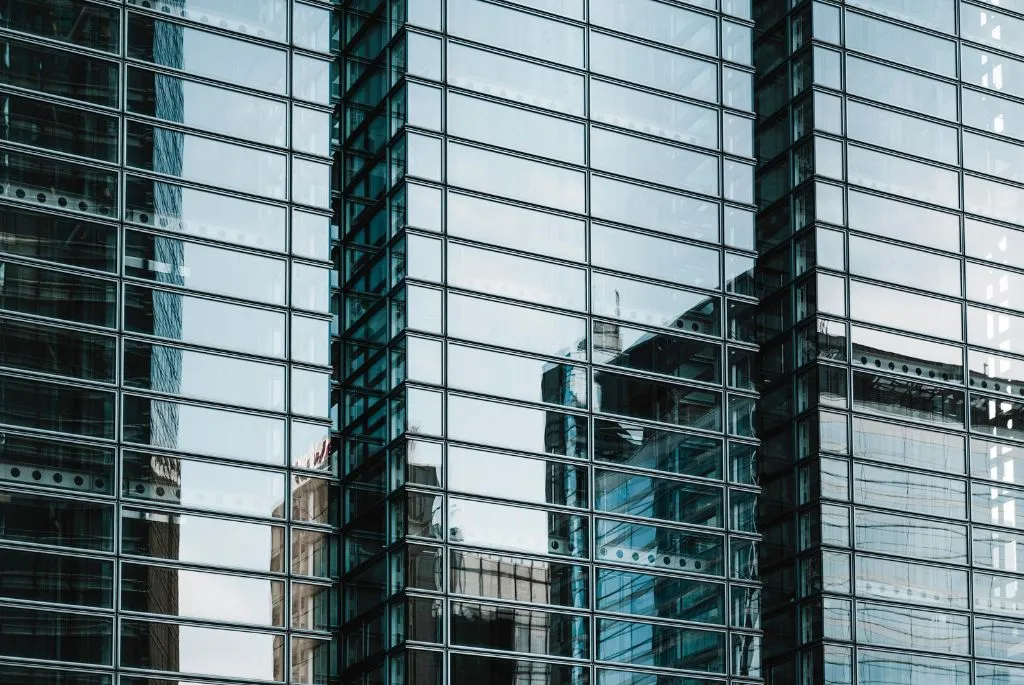
You see it without really thinking about it. Stand near a newer office building in the evening and the glass starts reflecting cars, lights, even the sky changing color. That outer layer is curtainwalling. It sits on the surface, not holding the structure, just protecting what’s inside from heat, rain, and wind.
Step indoors and the impact feels subtle but real. There’s more daylight during the day, the space feels open, and the temperature stays more even. It is doing a lot in the background, without drawing attention to itself.
Over time, it has simply become part of how modern buildings are put together. It helps create clean, sharp exteriors and flexible interiors, without making the structure more complicated than it needs to be.
What Curtain walling Means in Contemporary Construction
On a typical construction site today, the main structure goes up first. Steel or concrete does the heavy lifting. Only after that do you see curtainwalling come into play. It is fixed to the outside, almost like putting a skin over the frame, without taking on any structural load.
What sets it apart is how it is made and installed. Most of it is prepared off site, then brought in and assembled piece by piece. That alone changes the pace and control of the project.
Here’s how it usually works in practice:
- Installed after the core structure is complete, not during primary construction
- Does not carry the building’s weight, only its own load and external forces like wind
- Built in factory controlled settings, which improves finish and consistency
- Assembled on site in panels, reducing delays and on site errors
- Allows larger glass areas and slimmer frames compared to traditional walls
For architects and developers, this opens up more flexibility. You are not locked into heavy materials or rigid designs. Instead, you get cleaner surfaces, more glass, and a facade that feels lighter without complicating how the building stands.
How Curtain walling Shapes Building Exteriors
Walk past a newer office block and you’ll feel it instantly. The surface looks clean, almost seamless, without the patchwork you see in older buildings. That finish largely comes from curtainwalling, since it forms the outer face people interact with first.
It also gives designers more breathing room. Instead of working around heavy materials, they can keep things open and refined. You’ll notice wider glass sections, sharper edges, and fewer visual breaks, even on larger structures.
In simple terms, it helps by:
- Keeping the exterior uniform across the building
- Allowing bigger glass panels without clutter
- Making large structures feel lighter
- Supporting subtle design variations through finishes
- Maintaining a clean, modern look without added complexity
It’s one of those details that quietly shapes how a building is seen, even if most people don’t call it out.
Visual and Functional Benefits of Curtain walling
Sit by the window in a newer office around noon and you’ll notice it without trying. The room feels bright, but not harsh. No constant need to switch lights on and off. That’s curtainwalling at work, letting daylight in while keeping things comfortable.
It also handles a few things you don’t immediately see. The temperature inside stays more even through the day, and outside noise feels slightly muted. It is not dramatic, but over time, it makes the space easier to work in.
In simple terms, it helps with:
- Bringing in steady natural light
- Cutting down on artificial lighting during the day
- Keeping indoor temperature more balanced
- Reducing some external noise
- Shielding interiors from weather
Nothing about it feels overengineered. It just makes the space work better without drawing attention to itself.
Where Curtain walling Is Commonly Used Today
You don’t have to look far to spot it. Walk through a business park or pass by a newer mall in the evening and those glass-heavy facades stand out. Curtainwalling has become a go-to choice in places where both appearance and performance matter.
It shows up most often in commercial spaces. Office buildings use it to create brighter work environments. Retail spaces rely on it to stay visually open and inviting from the outside. Even hotels and airports use it to make large spaces feel less enclosed.
Here’s where you’ll typically see it:
- Office buildings and corporate campuses
- Shopping malls and retail outlets
- Hotels and hospitality spaces
- Airports and transport hubs
- High-rise residential towers
It’s not limited to one type of project anymore. Anywhere the goal is to keep things light, open, and visually clean, curtainwalling tends to fit right in.
Conclusion
Look at any newer building around you and this outer layer is quietly doing its job. It keeps the inside protected, brings in light, and makes the space feel easier to be in.
It has become a natural part of modern construction. Cleaner exteriors, more open interiors, without making things complicated.
Nothing loud about it. It just works, and over time, that makes a difference.
FAQs
Not really. Most curtainwalling is glass, so that’s noticeable, but it doesn’t have to be. You might also have metal, stone or a combination. It depends on the design and function of the building.
It’s a great question. But most systems deal with heat quite effectively. Coated glass, seals and so on, help keep the inside at a comfortable temperature, even when it’s hot outside.
In general, yes, but not exclusively. It’s common in offices, shopping centres and hotels, but increasingly in residential and mixed-use buildings where views and daylight are important.