
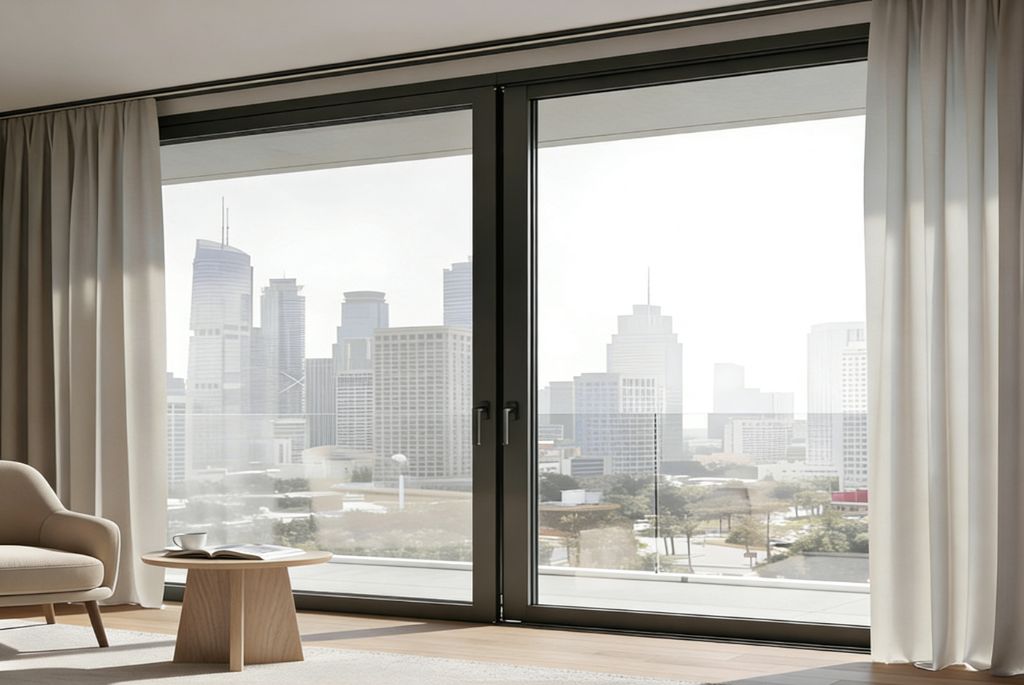
Picture a Sunday afternoon at home. The living room spills into the balcony, sunlight settles on the floor, and nothing feels boxed in. That easy flow is often shaped by one choice you barely notice at first, the aluminium sliding door design. Instead of cutting the room into sections, it keeps everything connected while still giving you control over the space.
In modern homes, this isn’t just about how things look. It’s about how space works through the day. Morning light, a bit of fresh air, some quiet in the evening, it all needs to fit without effort. Sliding doors help make that happen. They open things up when you want space and close things off when you need comfort, all without making the room feel smaller or restricted.
Why Aluminium Sliding Door Design Works in Modern Homes
Walk into a newer home, maybe after a long day, and you’ll notice it without trying. The space feels open, nothing really cuts it into pieces, and moving around just feels easier. That’s the kind of setup aluminium sliding door design fits into.
It’s not something you focus on. It just works in the background.
- Keeps things open, but still gives control: You can keep everything connected, or slide it shut when you want a bit of separation. It takes a second.
- Brings in more natural light: Slim frames mean more glass, so the room feels brighter without adding anything extra.
- Doesn’t eat into your space: No door swinging in or out, no adjusting your layout around it. You get to use the space the way you want.
- Feels easy in daily use: Open, close, done. No effort, no noise, no overthinking.
- Fits in anywhere: Whether it’s a compact flat or a larger home, it doesn’t look out of place.
After a point, you stop noticing it. You just notice the space feels easier to live in, and that’s really what matters.
Key Design Elements in Sliding Doors
When you’re actually picking one out, it usually comes down to the small things. On a showroom visit, two doors may look almost the same. Then you slide them once, and the difference is obvious.
A few details tend to matter more than people expect:
- Frame size and look: Slim aluminium frames keep the view open and don’t crowd the room. Chunkier ones can feel a bit heavy, especially in smaller spaces.
- Type of glass: Clear glass keeps things bright. Tinted or double glass helps with heat and outside noise. This is what shapes how comfortable the room feels through the day.
- How it slides: A good door should move easily, almost quietly. If it feels heavy or uneven, that usually shows up as a problem later.
- Panel setup: Some doors open wider than others depending on how the panels slide or stack. This affects how much of the space you can actually open up.
- Locking and sealing: Not the first thing people check, but it matters. Proper sealing keeps dust out, and a solid lock just gives you that extra peace of mind.
You don’t think about these details every day. But once the door is in place, you feel the difference in how smooth and easy everything works.
How Sliding Doors Improve Space and Connectivity
You see it in small, everyday moments. You’re walking out with a cup of chai, someone else is coming in, and no one has to pause for a door. It just works without getting in the way.
- Nothing blocks your path: Since the door slides along the wall, you don’t have to step back or adjust. You just move.
- The room feels a bit more open: With the panels pushed aside, the space looks and feels less tight, even if the size hasn’t changed.
- The outside becomes part of the room: A balcony or sit-out doesn’t feel separate anymore. You start using it more without thinking.
- Better when the house is busy: When a few people are moving around, it doesn’t feel crowded or clumsy.
- Close it when you need your space: And when you want quiet, you slide it shut. Done.
It’s a subtle shift. But once you live with it, going back to a regular door feels a bit inconvenient.
Balancing Light, Views, and Privacy in Door Design
This is the part most people figure out after moving in. The morning sun looks great at first, then it gets a bit too sharp. Evenings feel nice, but you also notice how visible the room is from outside. It’s not a problem, just something you start adjusting.
Sliding doors give you that flexibility, as long as you plan a few things right.
- Light is great, but control matters: Clear glass brings in a lot of brightness. If it feels too much, a slight tint or coated glass tones it down without making the room feel dark.
- What’s outside changes everything: An open view? Go bigger with the glass. Close buildings or a busy street? You’ll want a bit more privacy built in.
- Curtains do more work than you think: Sheer ones during the day, thicker ones at night. Simple, but it makes a real difference.
- You don’t need full coverage everywhere: A little frosting or texture on part of the glass can block direct views without closing off the space.
- Direction plays a role: Doors facing strong sunlight need a bit more thought compared to softer light areas.
Over time, you stop thinking about it. You just adjust things as needed, light when you want it, privacy when you need it, without the space ever feeling shut in.
Conclusion
Once you’ve been using it a couple of weeks, you forget you have it. You just notice how easy everything feels. You can see as much as you need, you have the right sense of space, and you can still close it if you need.
And this is the beauty of aluminium sliding door design. It doesn’t want to be noticed. It becomes part of the room, making it more comfortable.
At the end of the day it’s not about the door, it’s about the comfort of your home.
FAQs
Yes, and that’s where they usually prove their value. You’ll open and close them many times a day, and if the build is solid, they stay smooth without much effort. Most people forget about maintenance beyond the occasional track cleaning.
They actually make a noticeable difference. Since nothing swings open, you don’t have to plan your furniture or movement around the door. In tighter spaces, that extra bit of freedom helps more than you’d expect.
It’s pretty straightforward. Light curtains during the day, thicker ones at night. Some people also go for slightly tinted or textured glass. You adjust it based on the time of day, and it quickly becomes part of your routine.