
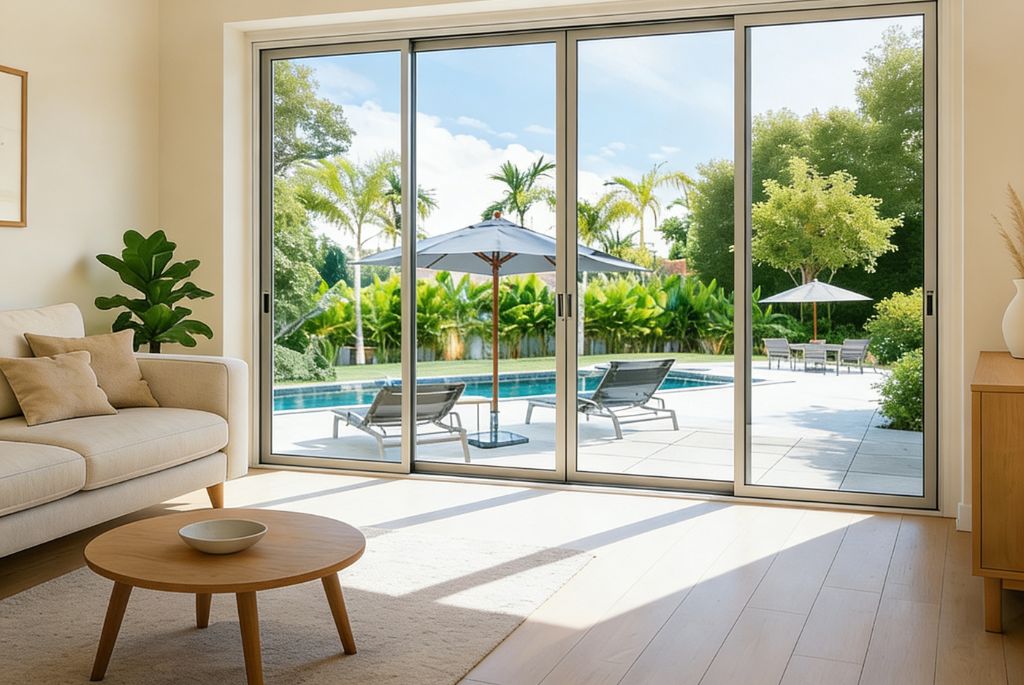
You don’t usually think about windows until something feels off. A room stays dim even in the afternoon. Air doesn’t move the way it should. Or you’re constantly adjusting curtains just to feel a bit of privacy. Then you walk into a space where everything feels easy, sunlight comes in just right, there’s a soft breeze without trying, and the room feels settled. That difference often comes down to how the windows are designed.
In most homes today, windows are doing more than just sitting on a wall. They affect how comfortable your space feels from morning to night, in ways you only notice when they’re either working well or not at all.
In this guide, you will read how to choose window styles that actually fit contemporary homes, how materials impact both look and performance, and what works best for everyday living.
Understanding Window Styles That Suit Contemporary Homes
Walk into a newer home and you’ll feel it straight away. Things just sit right. Nothing feels crowded or overthought. Windows play a bigger role in that than most people realize. When they’re right, you don’t notice them. When they’re not, something always feels off.
A few styles tend to work better simply because they fit into how people actually use their space now.
- Sliding windows: You’ll find these in most apartments. They’re simple, don’t swing out, and make life easier when space is tight.
- Casement windows: Open one on a windy evening and the room changes. They’re useful when air just doesn’t move otherwise.
- Fixed windows: These stay closed, but they let in steady light and keep the outside view clear. Good for spots where you’re not opening windows often.
- Floor-to-ceiling windows: They make rooms feel bigger without trying too hard. Just need a bit of thought around privacy.
- Awning windows: Small, but handy. You can leave them open even when it’s raining a little.
How Material Choice Shapes Function and Appearance
You don’t really notice window materials at first. Everything looks fine when it’s new. Then a few weeks in, the room feels warmer than it should, or outside noise starts getting in more than expected. That’s when you realize the material wasn’t just a design choice.
It affects how the space behaves day to day.
- Aluminium frames: Light, simple, and easy to live with. They don’t need much attention and keep things looking clean.
- Wooden frames: They add a certain warmth you can’t ignore. But they do ask for care, especially when the weather shifts.
- Glass types: Often ignored, but they matter. The right one can cut down heat, control light, and give you privacy without extra effort.
Balancing Natural Light, Ventilation, and Privacy
This is the part most people only get after spending some time in the house. At first, bigger windows feel like the right move. Then a few afternoons in, the light feels too strong to sit through. You open them for air, and now you’re hearing traffic or dealing with dust. So you pull the curtains, and the room suddenly feels dull again.
It’s not about redoing everything. Small tweaks usually fix it.
- Let the light in, just not all of it: Morning sun feels nice. By afternoon, it can get a bit harsh. A thin curtain or slight tint helps take the edge off without making the room dark.
- Air should move across the room: One open window doesn’t do much on its own. When there’s another opening on the other side, even a small one, you’ll actually feel the breeze.
- Keep privacy simple: You don’t have to block everything out. Frosted glass or slightly higher windows can give you that comfort without shutting off light.
- Think about what the room needs: Living spaces can stay open most of the day. Bedrooms usually feel better when you can control light and visibility.
Smart Window Ideas for Compact and Large Spaces
You notice it when setting up the room. Small spaces feel tight, larger ones can feel a bit empty. The right windows help balance both.
It’s not about adding more. It’s about placing them where they actually make a difference.
- For smaller rooms: Sliding windows work well since they don’t get in the way. Even stretching a window a little wider can make the room feel less closed in.
- Use height to your advantage: Taller windows naturally pull your gaze up. It’s a simple trick, but it makes ceilings feel higher than they are.
- Corners can open things up: A window placed at the corner changes how the room feels. It breaks that boxed-in look you often get in compact layouts.
- For larger spaces: Bigger rooms can handle wider or full-length windows. They help bring some life into areas that might otherwise feel too spread out.
- Keep things open, but defined: In open layouts, windows can help separate areas without adding walls, so the space still feels connected.
Choosing Window Designs That Match Everyday Living Needs
You don’t notice it while choosing. It shows up later. Opening feels like effort, or cleaning gets delayed. Small things, but they stay.
That’s when it shifts. It’s less about looks, more about how it fits your day.
- If it’s not easy, it won’t get used: You won’t think twice before skipping it if opening feels like effort.
- Cleaning shouldn’t feel like a task: If reaching it is awkward, it’ll stay that way longer than you planned.
- Safety becomes more noticeable over time: Height and simple locks start to matter more when you’re living with them daily.
- What’s outside affects the inside: Noise from the street or nearby areas can change how the room feels unless the glass handles it well.
- Each room settles differently: What feels fine near the kitchen sink might not work next to your bed.
Final Thoughts
After a few days of living in a space, you start noticing what works. The light in the morning, the ease of letting air in, or just how quickly you can get a bit of privacy. It’s these small, everyday moments that really define good window design.
There’s no fixed rule here. What matters is how it fits into your routine. When it does, you stop adjusting things all the time, and the space just feels comfortable.
FAQs
A. Consider the room’s use. For more ventilation, choose something easy to open – like casement windows. If you’re short of space, sliding windows are better. It’s all easier if you think about how you’re going to use it instead of looks.
A. It depends on your priorities. Aluminium is low-maintenance and wood looks warmer but requires some upkeep. Generally, we decide the level of maintenance we are prepared for.
A. You don’t have to use heavy curtains. Using frosted glass, sheer curtains or simply putting in windows a little higher up can help you get light without feeling too shut in.