
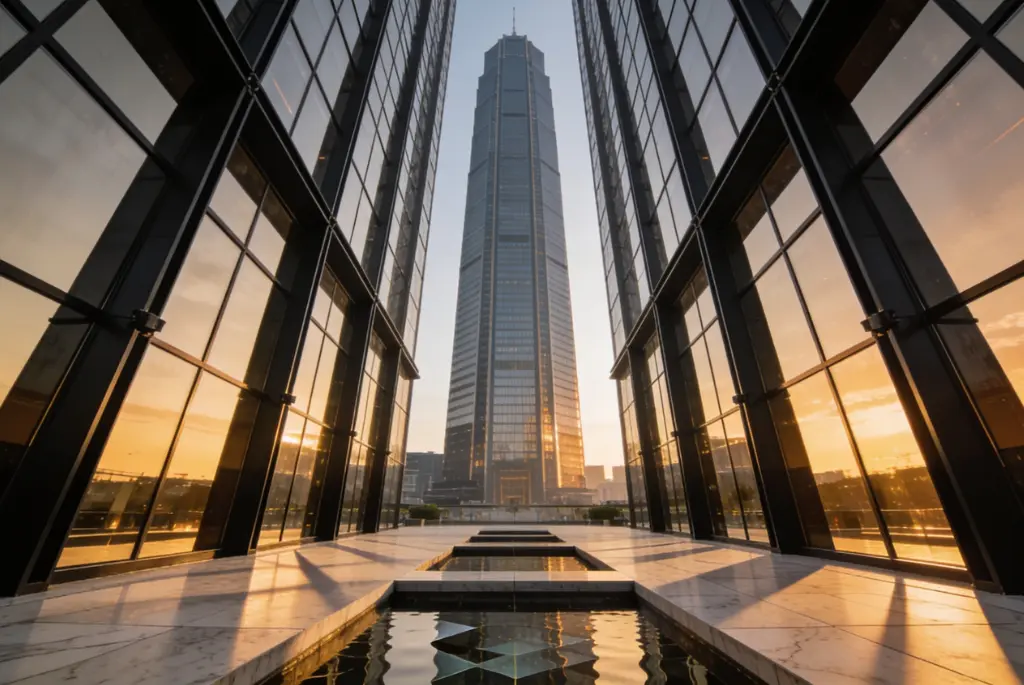
Look at most modern offices, malls, or airports today, and you will notice they all share one major feature: massive glass fronts. They give buildings a really bright, open look. The system making this possible is called a curtain wall.
It hangs entirely on the outside of the building’s main structural frame, so it does not support any of the building’s actual weight. Its job is pretty direct: keep out rain, wind, dust, and heat, while letting in enough daylight so people inside do not feel boxed in.
But installing one is not as simple as just mounting glass to a frame. You have to think about the framework, the joints, the type of glass, how water drains away, and how the whole thing is anchored. If you miss even one detail, you end up with leaks, drafts, or a messy finish. Good design takes real planning, ensuring the outside looks clean while the inside stays comfortable.
What Is a Curtain Wall and Why Is It Used
To put it simply, a curtain wall is a non-structural outer skin for a building. Because it does not hold up the floors or the roof, it can be made of lighter materials like glass and aluminum.
You see them all the time on high-rises, hotels, and shopping centres because they protect the interior from the elements while giving the outside a sleek look.
Builders use them for a few clear reasons:
● They fill rooms with natural light, which cuts down the need for indoor lights during the day.
● They give the building a neat, uniform front.
● They keep the indoor spaces fully weatherproofed.
● They make huge concrete buildings look less heavy and massive.
● They open up the space inside, making rooms feel bigger.
A curtain wall changes how a building feels to the people using it every day. It handles everything from your view to how warm or cool a room stays.
Key Elements That Shape Curtain Wall Design
From the street, a curtain wall looks pretty straightforward, just glass panels, clean lines, and a smooth finish. But keeping that look together takes a lot of careful engineering behind the scenes.
The glass itself is a huge factor. It controls how much heat and glare get inside. While clear glass keeps everything bright, areas with intense daily sun usually need tinted or coated glass to keep the indoor temperature manageable. The frame matters just as much. It holds the panels and gives the building its shape. The goal is to keep the frame thin for a clean look, without losing the strength needed to withstand high winds.
A reliable design comes down to these core parts:
● Glass: Deals with light, heat, and safety.
● Frame: Secures the panels in place.
● Joints: Keep water and air from leaking in.
● Drainage: Makes sure any trapped water has a clear path out.
● Fixing: Anchors the wall so it stays steady against heavy weather.
● Finish: Matches the overall look of the building.
Every single piece has to do its job perfectly. If one part fails, the whole exterior runs into issues.
Understanding the Importance of Curtain Wall Details
Even though curtain walls look perfectly smooth from the outside, the tiny components are what actually make the system work. The glass gets all the attention, but the hidden details do the heavy lifting.
Things like joints, seals, anchors, gaskets, and drainage channels are what keep water out, close up air gaps, and hold the heavy panels steady.
Here is what matters most:
● Sealing: Keeps out driving rain and dust.
● Drainage: Safely funnels away any moisture that gets trapped inside.
● Anchors: Lock the wall tightly to the building’s main framework.
● Gaskets: Pack the gaps tightly around the edges of the glass.
● Panel gaps: Leave just enough room for materials to shift slightly during temperature changes or high winds.
● Frame joints: Keep the exterior lines looking straight and steady.
If these details get overlooked, you quickly end up with leaks, stains, drafts, or even loose panels. Getting them right keeps the building safe and dry for years.
Also read : Aluminium Bifold Doors: Smart Space-Saving for Modern Homes
The Role of Curtain Walls in Modern Building Exteriors
A curtain wall completely changes how a large building looks, replacing heavy concrete walls with a light, reflective glass face.
On the practical side, it keeps out wind and weather while letting daylight fill the floors. That is exactly why they are so popular for offices, hotels, and airports.
When it comes to putting them up, a stick system curtain wall is built piece by piece right on the job site. This is a great option for buildings that need custom sizes, unique shapes, or a really precise, tailored fit.
Basically, they deliver a few major advantages:
● A clean, modern front for the building.
● Plenty of daylight to brighten up the rooms.
● Solid protection from the weather.
● The flexibility to work with almost any building shape.
A good exterior has to do more than just look sleek. It needs to keep the inside of the building comfortable and bright too.
Final Thoughts
A curtain wall does a lot more than give a building a shiny glass face. It directly affects the indoor temperature, natural light, and how well the structure stands up to bad weather.
Because of that, getting the design right requires a lot of upfront planning. The anchors, seals, frames, joints, and drainage all have to work together. A small mistake can easily lead to leaks or heating issues down the road.
If a project needs a custom fit on-site, the stick system is usually the way to go since it gives the crew full control over how every panel and frame connects.
Ultimately, a successful curtain wall project gives you a clean look on the outside and a comfortable space on the inside. That balance is why it remains such a huge part of modern architecture.
FAQs
It protects the inside of the building from weather like rain, wind, and heat, while giving the outside a clean glass look and letting in lots of natural light.
No. A normal wall usually holds up the weight of the building or divides indoor rooms. A curtain wall just hangs on the outside framework and does not support any building weight at all.
It is a curtain wall that gets built piece by piece right on the construction site. The frames and glass panels are installed in order on the building, which makes it perfect for custom shapes or tricky layouts.