
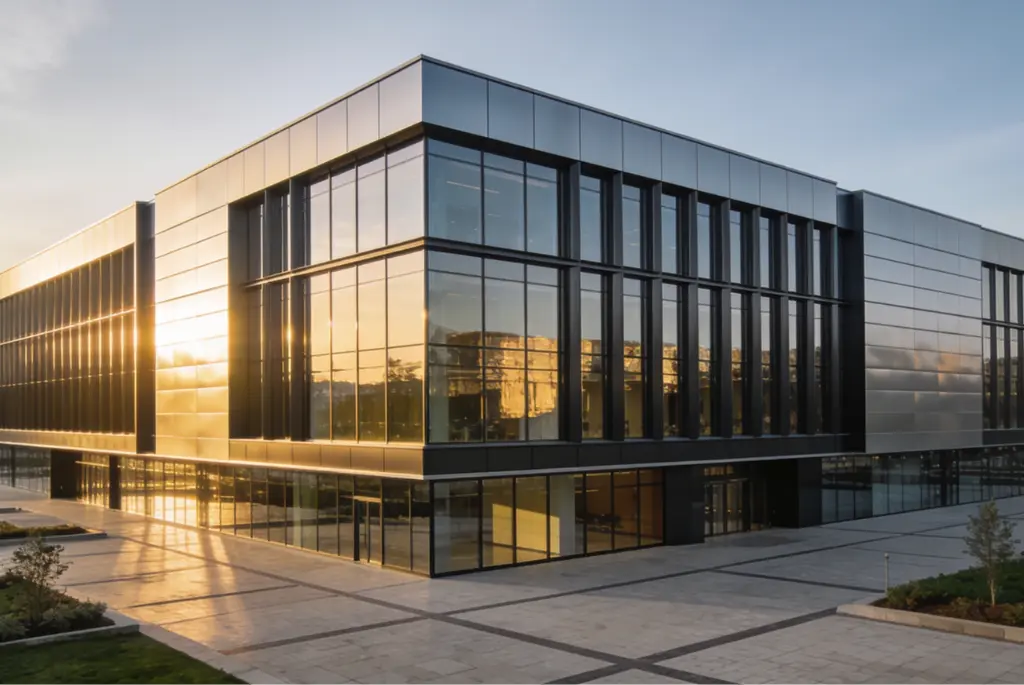
Think about the first thing you notice when you walk up to a building. It is almost always the exterior face. The overall shape, the color choices, how the glass catches the light, and the quality of the finish create that crucial first impression. That is exactly where facade systems come into play. They do a lot more than just cover up the bare structural bones of a building. They act as the ultimate protective skin, shielding the structure from the sun, rain, wind, dust, and heat.
A great facade design feels completely natural on a building. It should match the height, the specific location, the core purpose, and the overall architectural style perfectly. The right setup can make even a simple structure look incredibly clean and sharp, while a poorly planned one can make a strong, well-built structure look entirely dull.
Lately, many modern projects are leaning heavily into aluminium facade options. They look exceptionally neat, keep things lightweight, and integrate seamlessly with large glass panels. You can spot them everywhere, from corporate offices and shopping malls to luxury apartments, hotels, and commercial hubs. Let’s look at why these systems are so essential, how they define a building’s identity, and what you should consider before choosing one for your next project.
What Makes Facade Systems Important in Architecture
Let’s be real: building facades are definitely not just for looks. The exterior of a building takes a beating from the elements every single day, facing constant sun, driving rain, wind, dust, and temperature swings. Because of this, picking the right materials, finishes, and layout from day one is absolutely vital.
High-quality facade systems elevate both the look and the performance of a structure. They protect the core building materials, manage how light enters the rooms, and give the architecture a clear, recognizable face. When done right, even a modest design looks beautifully stylish. If it gets overlooked, the entire project can end up looking a bit flat.
Here is a quick look at why they matter so much:
● The first impression: The facade sets the tone and defines the entire visual personality of the building.
● Weather protection: It blocks out dust, rain, wind, and harsh heat before it can ever touch the interior frame.
● Light control: It lets you regulate exactly how much daylight streams into the space.
● Indoor comfort: By filtering harsh glare and heat, it makes the indoor environment much more pleasant to live and work in.
● Building character: The combination of glass, panels, colors, and clean lines creates a totally unique look.
● Longer structural life: A tough, durable facade keeps the building cleaner and better protected for decades.
The best facades do not need to be loud or overly flashy to get noticed. They should fit the building naturally, offer top-tier protection, and make the indoor spaces a joy to be in.
How Facade Design Shapes Building Identity
A building truly gets its character from its exterior. While the height might grab attention from far away, the facade is what people actually remember up close. Every single choice, including the glass tint, the panel texture, the color palette, and the structural lines, contributes heavily to that lasting impression.
A great design always reflects what the building is actually used for. An office space usually requires a sharp, clean, and highly professional aesthetic. A boutique hotel might call for a warmer, more welcoming finish. A shopping mall, on the other hand, often benefits from an open, glass-heavy front that feels inviting and easy to enter.
Think about how a facade builds that identity:
● Color choice: Light shades bring a calm, airy feel, while dark tones look bold and architectural.
● Material mix: Combining glass, metal, stone, and specialized panels creates totally different vibes.
● Surface texture: Smooth finishes feel ultra-modern, while textured surfaces add great visual depth.
● Clean lines: Sharp, straight lines deliver a beautifully neat, organized appearance.
● Glass integration: Expansive glass areas make the entire structure feel completely open and connected to the world.
● Exterior lighting: Creative accent lights can completely transform how the facade looks once night falls.
A powerful identity does not require a loud design. It just needs to feel connected to the building’s purpose, location, and core concept. When everything fits together nicely, people notice and remember the structure for all the right reasons.
Also read: Unitised Curtain Wall System In Modern Architectural Projects
The Growing Use of Aluminium Facade Solutions
It is no secret that aluminium has become the go-to choice in contemporary architecture. It offers a wonderfully clean aesthetic, feels remarkably light, and pairs beautifully with large glass spans, solid panels, and crisp structural lines.
Opting for an aluminium facade gives the exterior a sharp, polished finish without making the structure feel heavy or overbearing. It is incredibly versatile too, fitting perfectly across offices, busy malls, modern apartments, and premium hotels.
Architects and builders love it for a few straightforward reasons:
● Lightweight feel: It delivers exceptional strength without adding massive weight to the exterior walls.
● Sharp finish: The surfaces look beautifully crisp, clean, and modern.
● Design flexibility: It easily adapts to custom shapes, diverse panels, and creative layouts.
● Simple upkeep: Keeping the exterior looking pristine requires very little effort or maintenance.
● Weather resistance: It handles intense sun, heavy rain, dust, and strong wind currents easily.
● Finish options: It comes in an incredible range of shades to complement any architectural style.
A great aluminium facade system works in harmony with the rest of the building. It protects the outer shell, elevates the visual style, and keeps the entire design looking immaculate.
Functional Benefits of Modern Facade Systems
At the end of the day, a facade has to do a lot more than just look pretty in a rendering. It needs to help the building perform at its best every single day. Modern systems excel at this by protecting the outer structure, managing natural light, and keeping the indoor climate stable.
This is especially important in bustling urban areas where buildings face constant exposure to heat, dust, wind, rain, and street noise. The right choice of materials and structural layouts makes a massive difference for the people inside.
Here is how a modern facade system improves daily performance:
● Heat management: It cuts down on the amount of intense solar heat radiating into the building.
● Optimized daylight: It invites beautiful natural light inside without causing blinding glare or hot spots.
● Weather envelope: It acts as a reliable barrier against driving rain, heavy winds, and city dust.
● Sound dampening: The right layering of facade materials can significantly lower the amount of outside noise filtering into your space.
● Lower long-term care: High-performance materials are built to last, making the exterior much easier to maintain over time.
● Enhanced comfort: It keeps interior rooms feeling cooler, brighter, and completely comfortable.
A well-engineered facade works quietly in the background, keeping the structure protected and looking brand new for years.
Choosing Facade Systems for Contemporary Structures
When it comes down to it, a facade has to work perfectly in the real world, not just look fantastic on a blueprint. A corporate office tower, a busy shopping mall, a luxury hotel, and an apartment building all have completely different requirements. Your specific site changes things too. A building sitting right next to a busy highway needs excellent sound insulation, while a property facing direct midday sun needs top-tier heat mitigation.
Before you lock in a facade system, make sure you look closely at these core basics:
● Use: Consider the exact balance of natural light, openness, and privacy needed for your specific space.
● Weather: The system must be durable enough to handle your local sun, rain, wind, and dust levels easily.
● Material: Decide how glass, aluminium, stone, and specialized panels can best achieve your target finish.
● Care: Choose surfaces that are straightforward to clean, inspect, and service over time.
● Safety: Ensure the entire framework remains perfectly stable during daily use and unexpected rough weather.
● Style: The facade should complement the building’s height, overall shape, and core purpose.
The perfect facade should feel like an organic extension of the building itself, protecting the structure, maximizing interior comfort, and delivering a flawless exterior finish.
Final Thoughts
A facade does so much more than just complete the outside look of a building. It fundamentally shapes its identity, dictates how well it handles tough weather, and plays a huge role in regulating the indoor temperature and comfort.
A truly successful facade system blends into the building’s purpose, location, height, and overall design style seamlessly. It should be built to last and be easy to care for over the long haul.
The ideal exterior face does not need to be loud or complicated. It should sit comfortably on the building, masterfully control light and heat, and give the entire structure a clean, complete, and thoroughly modern feel.
FAQ:
Think of a facade system as the high-performance outer skin of a building. Its main job is to protect the inner structure from elements like the sun, rain, wind, dust, and heat, while giving the building its unique visual look and architectural style.
Facade design completely establishes a building’s visual identity and first impression. Beyond looks, it controls how much natural light gets inside, directly improves indoor comfort, and ensures the building stays well-protected and clean for years.
Absolutely. Aluminium is one of the most popular choices for modern architecture because it is incredibly neat, lightweight, and pairs beautifully with large glass expanses and sleek metallic panels. Plus, it is highly durable and very easy to maintain over time.