
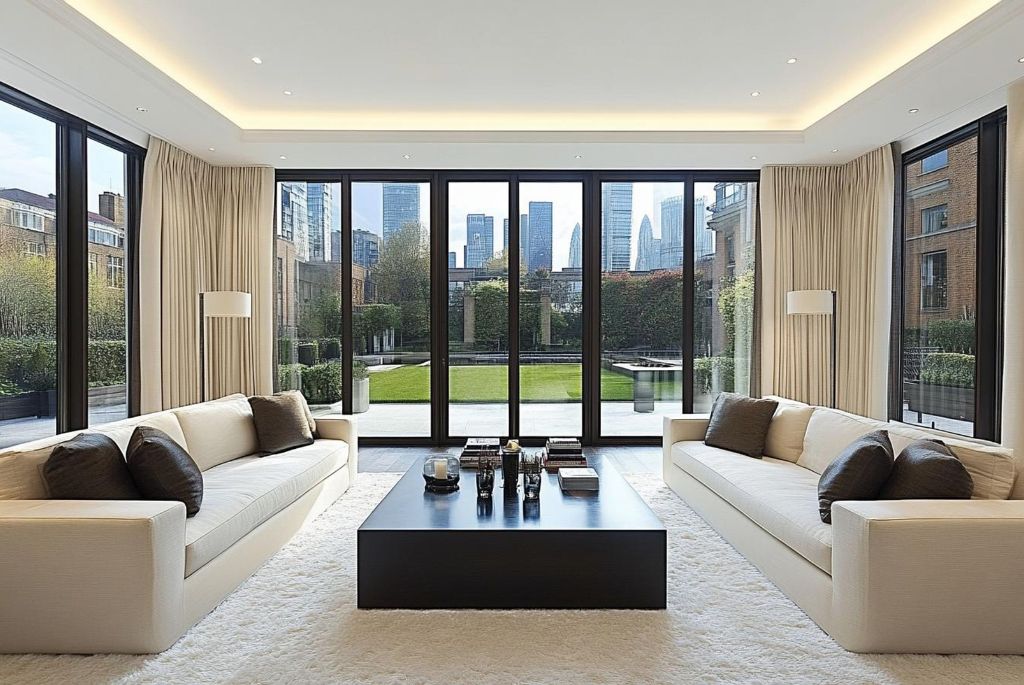
Step into a modern home on a hot afternoon. The room feels open, with balanced light and steady airflow. This comfort comes from thoughtful window planning.
Sliding windows keep things simple. They don’t need extra space or swing open. You slide them, and the room feels more organized. They work well in compact apartments and large homes alike.
People now prefer homes with better daylight, airflow, and outside views. Sliding windows support all of this quietly and efficiently.
This guide explains their popularity, what to consider before choosing them, and how size and material shape a space.
Why Sliding Windows Are Popular In Contemporary Homes
Walk into a modern home during the day and everything feels smooth and open. Furniture can sit right next to the window without getting in the way. Sliding windows make this possible by moving along a track instead of opening outward.
They’re simple to use. A quick slide lets fresh air in, and the glass allows enough natural light to brighten the room without turning on lights.
Here’s why people prefer them:
- No extra space needed: The panels slide sideways, so nothing gets in your way.
- Simple, clean look: The design blends into the room without standing out.
- Easy airflow control: Open them slightly or all the way, depending on what you need.
- More natural light: Larger glass areas help brighten the space.
- Smooth daily use: A light push is all it takes.
After a while, you don’t even notice them. They just work as part of your everyday routine.
Key Considerations in Sliding Window Design
Think about a room that feels comfortable the moment you step in. Maybe it’s the way the light falls in the morning or how the air moves in the evening. Small details create that feeling, and the window is one of them. A good sliding window design shapes how the room feels through the day.
Start with placement. If the window is in the right spot, you get good light without the room heating up too much. In a kitchen, it helps clear out heat. In a bedroom, it makes mornings feel a little easier.
The frame matters too. It should feel solid and move smoothly. It shouldn’t stick or feel loose over time. Many people choose aluminium sliding windows since they stay steady and are easy to handle.
Here are a few things to keep in mind:
- Position of the window: A good spot improves both light and airflow.
- Frame build and finish: It should feel strong and stay neat over time.
- Glass choice: Clear glass for open views or slightly tinted if sunlight feels too strong.
- Smooth movement: The panel should slide easily without resistance.
- Basic safety: Locks and fittings should feel secure.
- Right size for the space: It should look balanced on the wall.
When these details come together, the window just feels right. You don’t think about it, but the room feels better.
Advantages Of Aluminium Sliding Windows
Give it a few months, and you start to notice how a window performs. Some begin to feel heavy or don’t slide as well. Others stay smooth, almost like day one. That’s one reason many homeowners prefer aluminium sliding windows.
The frame feels solid but not heavy. You can open and close it many times a day, and it still feels steady. Even with larger glass panels, it stays balanced, so the movement feels easy.
Maintenance is simple. A quick wipe of the glass and track is usually enough. There’s no need for constant adjustments or repairs.
Here’s what stands out:
- Light but strong: Easy to slide, yet strong enough for larger panels.
- Consistent movement: It keeps sliding smoothly over time.
- Handles different weather: It doesn’t change shape with heat or moisture.
- Low maintenance: Basic cleaning keeps it in good condition.
- Slim frames: More glass means clearer outdoor views.
- Fits different spaces: Works well in living rooms, bedrooms, and balconies.
Over time, you stop thinking about the window. It just works, every day.
Understanding Sliding Window Dimensions For Different Spaces
Stand near a wall where a window could go and imagine two options. One feels too small and the room looks closed. The other feels too big and doesn’t sit right. Getting the size right changes how the space feels. That’s why sliding window dimensions matter more than people expect.
It’s not about filling a gap. It’s about matching the window to how the room is used and how much light and air you want.
Here’s a simple way to think about it:
- Living rooms: Wider windows help open up the space.
- Bedrooms: Medium sizes balance light and privacy.
- Kitchens: Smaller or mid-sized windows work well near cooking areas.
- Bathrooms: Compact windows placed higher keep things private.
- Balconies: Larger panels connect indoor and outdoor spaces.
When the size feels right, the room feels comfortable without trying too hard.
Choosing Sliding Windows For Light, Ventilation, And Views
Stand by a window in the morning. Light comes in softly, the air feels fresh, and you can see outside clearly. When a window works well, you don’t think about it. You just feel comfortable.
Choosing sliding windows is about getting a few basics right:
- For natural light: Larger glass areas help light spread across the room.
- For fresh air: The opening should allow air to move easily.
- For clear views: Wider panels with slim frames keep things open.
- For daily comfort: Place the window where light feels pleasant.
- For ease of use: It should slide smoothly so you use it often.
When these details come together, the window blends into your daily life. The room just feels better.
Conclusion
Think about your day at home. Morning light in your room, fresh air in the kitchen, and a calm space in the evening. Windows play a quiet role in all of this.
With the right sliding windows, things feel easier. Light comes in naturally, air moves freely, and the space stays open. From choosing the right sliding window design to getting the size and material right, each decision adds to that comfort.
You may not notice it right away, but over time, the space simply feels better to live in.
FAQs
No. A simple wipe of the glass and tracks is usually enough. Cleaning the tracks occasionally keeps the panels moving smoothly.
Yes. You can adjust how much they open. A small gap lets in a light breeze, while a full opening allows more air circulation.
Yes. They work well in living rooms, bedrooms, kitchens, and balconies, and suit both small and large spaces since they don’t take extra room to operate.