
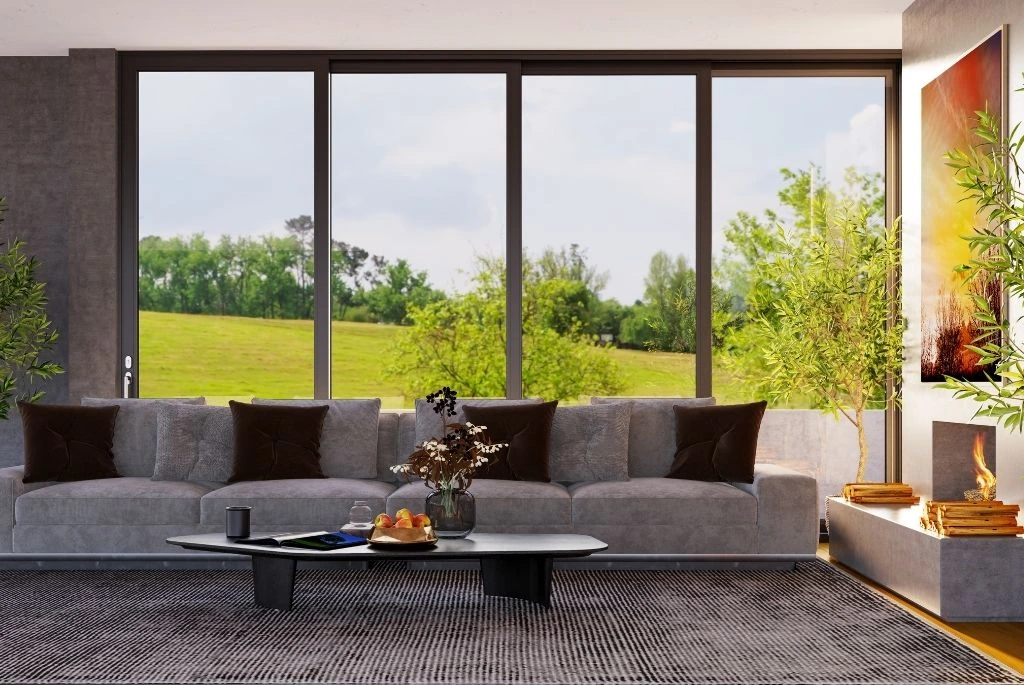
Homes today are planned around how people move, pause, and spend time indoors. Comfort matters, but so does ease of use. Sliding windows fit naturally into this way of living. Instead of swinging open and demanding space, the panels move sideways, quietly doing their job. What makes sliding windows feel modern isn’t just the look. It’s how little effort they require. You slide them open in the morning, leave them halfway open on a warm afternoon, or close them again without giving it much thought. Over time, that simplicity becomes part of the routine. There’s no adjustment period. No learning curve. Just a smooth motion that feels intuitive from day one.
Why Sliding Windows Work So Well in Daily Life
Good design often reveals itself in small, everyday moments. Sliding windows are a good example of that. They make sense in rooms where space is tight or movement needs to stay clear. Kitchens, bedrooms, and living areas benefit from windows that don’t clash with furniture or block walkways.
A few practical reasons people stick with sliding windows:
- They’re easy to open and close, even in narrow spaces
- Furniture placement stays flexible
- Panels don’t swing into the room or outside
- Maintenance is straightforward, especially in modern designs
Cleaning is another overlooked factor. Many sliding windows are designed so panels can be accessed or removed without much hassle. For busy households, that ease matters more than most design details.
Why Aluminium Sliding Windows Make Sense in Cities
Urban homes have different demands. Space is limited. Noise travels. Windows are often used. This is where aluminium sliding windows stand out. Aluminium frames are slim but strong, which allows for larger glass areas without thick borders, in apartments, which translates into better daylight and rooms that feel more open.
There is the long-term aspect of the decision, too. Aluminium sliding windows have a good shape. They do not distort easily despite being left under the sun, rain, or pollution. That stability maintains the window in motion over the course of time, and that is more important than the way it appeared on the day of installation. For city homes, reliability tends to outweigh ornamentation.
How Sliding Window Design Influences the Feel of a Room
Windows not only bring air and light, they determine the atmosphere of a room during the day. A broad sliding window in a living room can be used to give a feeling of being connected with the outside world, particularly at the balconies or gardens. Smaller versions of sliding windows in the bedrooms do not leave the room vulnerable, yet create an opportunity to have air flow in the room.
What makes sliding window design effective is restraint. It doesn’t draw attention to itself. Instead, it supports the way the space is used, quietly improving comfort without taking over visually.
Features That Actually Improve the Experience
Modern sliding windows focus less on complexity and more on ease.
Some features that make a real difference:
- Smooth tracks that don’t stick over time
- Secure but simple locks that feel solid without being bulky
- Glass options designed to manage heat and light
- Well-fitted frames that reduce noise and drafts
When windows glide easily, people tend to use them more often. Better airflow becomes part of daily life rather than something that needs planning.
Choosing Sliding Windows That Fit Modern Architecture
Modern homes usually lean toward clean lines and uncluttered layouts. Sliding windows fit into this approach naturally.
Homeowners often think in terms of proportion rather than decoration. Larger openings work well in shared spaces. Smaller ones suit private rooms. The idea is to choose sliding windows that feel like they belong, not something added later.
Finish choices matter too. Neutral tones blend into the background. Darker frames add contrast when needed. Either way, the window should support the architecture, not compete with it.
Living With Sliding Windows, Day After Day
What sets sliding windows apart isn’t novelty. It’s consistent. They open easily in the morning. They close securely at night. They let light in when the home feels dim and allow fresh air through without rearranging the room.
For families, that flexibility helps daily routines run smoothly. For people working from home, sliding windows offer a quiet connection to the outside world without distraction.
That’s why many homeowners don’t reconsider the choice later. Sliding windows don’t call attention to themselves. They simply keep working.
A Simple, Reliable Choice for Modern Homes
In the long run, windows influence how comfortable a home feels far more than most people expect. Sliding windows have earned their place because they respond to real needs with straightforward solutions.
They support light, airflow, and ease of use without unnecessary detail. Whether in a compact apartment or a larger home, sliding windows settle into daily life without friction.
That quiet reliability is what makes them last. Not because they stand out, but because they fit so easily into the rhythm of everyday living.
FAQs
Yes, they usually work very well in compact spaces. Because sliding windows move sideways instead of swinging open, they don’t eat into the room. This makes them a comfortable choice for smaller bedrooms, kitchens, or apartments where space needs to stay flexible.
Sliding windows give you more control over airflow. You can open them just a little for gentle air movement or slide them wider when the weather allows. When positioned well, they keep fresh air moving without causing sudden drafts, which suits everyday use.
Not much. Aluminium sliding windows are relatively low-maintenance. Wiping the glass and keeping the tracks clean is usually enough. The frames also tend to stay stable over time, even with regular opening and closing, which reduces long-term upkeep.