
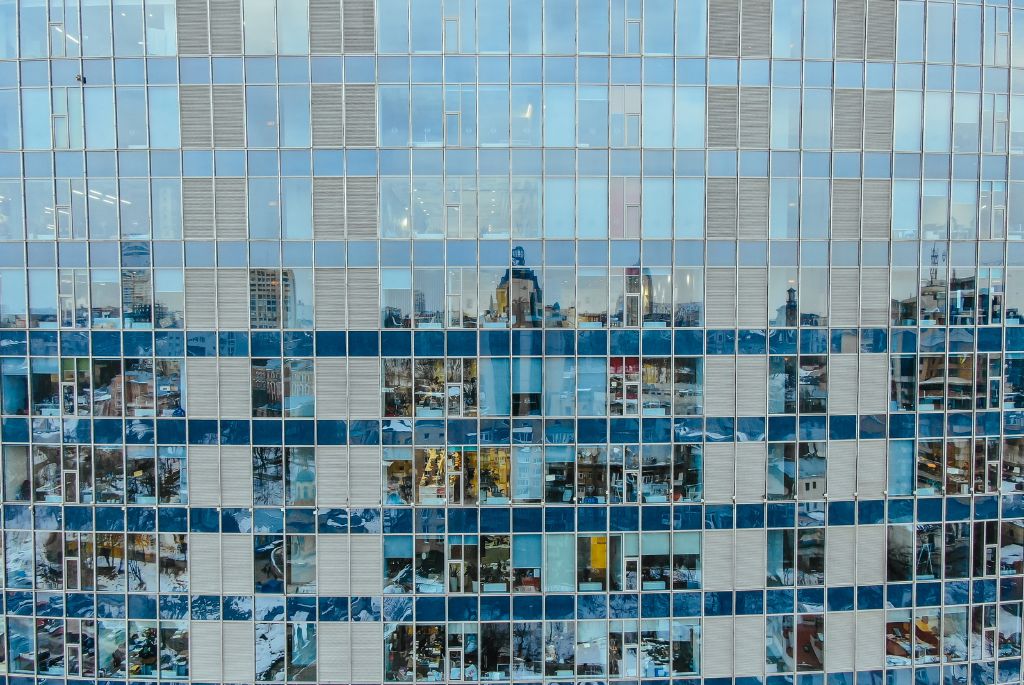
Step out of a new office building in the morning. The glass looks smooth with minimal joints, and the facade appears almost seamless. This is a unitised curtain wall system. Large sections are made off-site, checked, and installed on-site, reducing small errors and creating a uniform finish.
Facades now influence light, comfort, and performance, making this method suitable for modern buildings. The next sections cover how it works, where it’s used, and what sets it apart.
What is the difference with a Unitised Curtain Wall System?
When you move closer to a site where a facade is being built, the work appears step-by-step. Parts are measured, adjusted, and corrected individually by teams. It works, but small inconsistencies can occur.
A unitised curtain wall is different. Panels are made off-site, inspected, and delivered ready for use. Once they arrive, crews install and secure them. The on-site process is more about assembly than building each component separately.
And here is where the difference appears:
- Prepared off-site: Panels are manufactured under a regulated facility, hence sizes remain the same.
- Faster to install: Each unit is pre-prepared and therefore the facade is erected storey upon storey without protracted intervals.
- Cleaner finish: The sections are more aligned, and this provides the exterior with a uniform appearance.
- Reduced work on the site: The number of steps is reduced, and so are the amount of materials and the number of people around the work site.
Simply put, the majority of work is done prior to the panels arriving at the location. Such a change facilitates the process and makes the final outcome more coherent.
Profits of a Unitised Curtain Wall System
Check up a completed high-rise and you will observe the surface of the high-rise becoming more stable between one floor and the other. Not a single spot, not a single spot that is raised up and made conspicuous. Such finish normally is as a result of the way the facade was treated at the beginning.
The unitised curtain wall system has a few distinct advantages that manifest themselves in the construction process and several years later.
- More rapid work on-site: Panels come ready to be used, and the crews can continue working without spending much time between actions.
- Stable build quality: Every unit is manufactured and inspected during manufacturing, thus there is less variance after everything is assembled.
- More discovering of weather: Pre-assembled panels are more likely to seal gaps, thus limiting dust, wind, and rain entry in.
- Safety in the workplace: The reduced height cutting and manipulation means that the task will be less unpredictable to the team.
- Consistent look: Panels produced using a similar system are easily interlocked together, providing the building with a clean look.
- Reduction of work at the time of construction: The majority of the problems are resolved in time before the panels are shipped to the site hence less work is done after installation.
All this is different in actual projects. The building construction seems to be more controlled and the building maintains its finish as time goes without frequent corrections.
How Curtain Wall Systems Shape Modern Building Exteriors
Stroll in a business avenue during the afternoon. The sun is changing and every building responds in its manner. Some reflect light sharply. Others keep it soft. Such a difference is the result of the design and installation of the curtain wall system.
This veneer influences the look as well as the day-to-day usage. It alters the appearance of the building to the exterior and the interior.
- Smooth and flat surfaces: Panels are in a straight grid. The exterior is clean and devoid of line.
- Brighten interior: Intensive use of glass leads to the deeper penetration of light into rooms. During the day, work spaces are even brighter.
- Less visual weight: High-rise buildings are made to look light with glass and with skinny framing.
- Improved management of glare and heat: The facade blocks the sunlight. Market interiors are more stable during the day.
- Adaptable visual identity: The panel size, the distance between the panels, and the finish can be altered to create changes in the entire appearance without complicating the appearance.
The facade has become a participatory element in the design of buildings. It defines the way in which individuals perceive the building and feel about them internally.
Unitised Curtain Wall System of Design Flexibility
Stand beside two modern buildings. Both use glass, yet the details differ. One has wider panels, the other tighter lines. This comes down to facade design at the panel level.
With a unitised curtain wall system, architects can control these details better. Since each unit is prefabricated, the design is planned with precision before reaching the site.
This is how such flexibility manifests itself:
- Different panel sizes: The architects have the opportunity to change the width and height of the panel according to the dimensions of the building.
- Various types of glass treatments: There are clear, tinted, or reflective finishes that allow the control of light and appearance.
- Framing choices: Taller or wider frames can transform the appearance of the facade between strong and light.
- Regular detailing of floors: Units are similar and this makes the design remain the same throughout the levels.
- Pattern mixing: Panels may adhere to a regular grid, or move to a pattern that introduces minor variation.
Such a control system assists in making buildings prominent without complicating construction. Design is calculated in advance and the complete facade shows that clarity after it is put in place.
Where Curtain Wall Systems Are Commonly Used Today
Drive through a newer part of the city and look up at the buildings around you. Many of them share the same smooth glass exterior. It is not limited to one type of project. A curtain wall system shows up in different spaces where light, visibility, and a clean finish matter.
You’ll usually find them here:
- Office buildings: Glass facades bring in daylight, so work areas feel brighter through most of the day.
- Shopping centers and commercial spaces: Large glass frames make storefronts easy to see from outside and keep interiors well lit.
- Hotels: Rooms feel more open, and guests get clearer views of the surroundings.
- Residential towers: Apartments benefit from steady natural light and a consistent exterior across floors.
- Airports and public buildings: Open layouts and clear sightlines help people move through the space without confusion.
These systems are common in places where buildings rise higher and space is tight. The exterior needs to look neat, work well in daily use, and stay consistent over time. That is why this type of facade is now a familiar sight in many modern projects.
FAQs
It moves quicker than older methods. The panels come ready, so teams fix them in place without building each section on-site. Progress stays steady from one floor to the next.
Yes. The panels close gaps well, and the glass is selected to manage heat. This helps keep indoor spaces more stable through the day.
It can be used, but it is more common in mid-rise and high-rise buildings. The setup works best where there are larger facade areas to cover.