
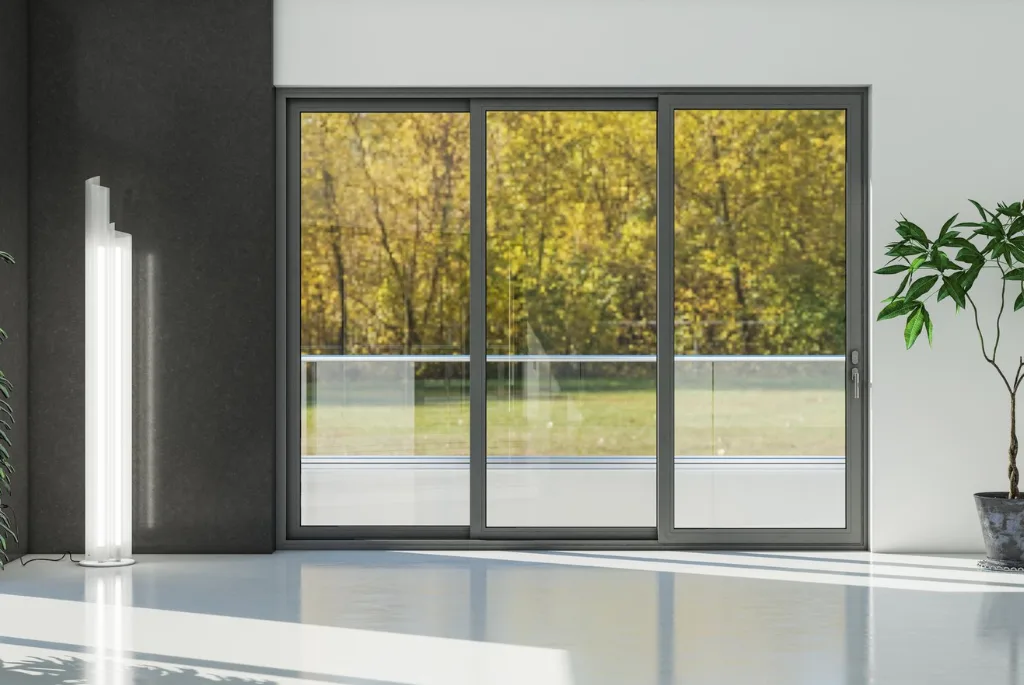
A door is rarely acknowledged as an architectural event, yet it quietly stages the daily experience of entering and leaving a space. It frames passage, slows movement, and anchors the transition between rooms. This is why aluminium door design has become so central to the language of contemporary homes. It is not about trend, nor about metallic minimalism as a decorative flourish. It is about creating thresholds that behave with intention.
In many houses, doors are still treated as finishing elements. But when you work with aluminium door design, the door becomes a structural participant, something that negotiates light, privacy, proportion, and rhythm. It serves as both mediator and marker within the life of the home.
Why Aluminium Door Design Matters for Modern Living
Modern living is defined by flexibility. Rooms merge, divide, expand, and sometimes disappear depending on the needs of the moment. Aluminium door design responds naturally to this shifting architecture because the material does not settle into one visual identity. It can appear quiet or assertive, depending on how it is framed, glazed, or aligned within the interior.
The appeal is not rooted in industrial aesthetics. It comes from the way aluminium holds shape—precise, stable, unfazed by humidity or heat. This structural steadiness allows the door to behave as a dependable hinge between spaces rather than a fragile partition that ages too quickly or warps out of character.
Look at any modern apartment in coastal climates or warm cities, and you’ll see why homeowners gravitate toward aluminium door design. It isn’t just durability they’re after. It’s the feeling that the door will retain integrity no matter how the home evolves around it.
How Door Design Shapes the Look of Interiors
A door influences a room long before it is opened. Its lines extend into the walls, its edges set up the geometry of the elevation, and its proportions affect how the room carries light. aluminium door design performs this function with a structural neutrality that leaves room for the interiors to speak.
When aluminium carries glass, it creates a plane of clarity. When it carries solid panels, it forms an architectural pause—something that grounds the room instead of dividing it aggressively. Even in homes that rely on warm textiles and organic palettes, the quiet discipline of aluminium balances the softness.
The interesting thing about aluminium door design is how it contributes without dominating. It defines movement yet remains understated, which is why designers use it in homes that need controlled transitions but dislike heavy visual interruptions.
Practical Advantages of Aluminium Systems for Home Door Design
People often discuss material choice through measurable attributes—strength, lifespan, resistance. Those matter, but what matters more is how the material behaves inside the lived environment.
Aluminium brings several subtle but meaningful advantages:
Precision in motion
The rigidity of the frame allows hinges, pivots, and sliders to operate with consistency. Years later, the motion remains smooth, unforced.
Resistance to daily unpredictability
Sunlight, moisture, coastal air—these elements reshape many materials, but aluminium holds its geometry. That stability ensures the home maintains a coherent atmosphere.
Compatibility with varied layouts because aluminium door design scales well, a narrow kitchen entrance and a wide living-room opening can share the same visual vocabulary.
This reliability is the reason many homeowners who once hesitated about modern finishes eventually adopt aluminium interior doors. They realise the material isn’t cold; it is simply disciplined.
Choosing Designs That Work in Compact and Open Spaces
Small rooms behave differently from large ones. In compact spaces, every millimetre of obstruction matters. In expansive spaces, every opening sets the pace of circulation.
Aluminium door design accommodates both extremes with equal clarity.
In tight apartments, slim profiles prevent the door from visually shrinking the room. Lines stay clean, movements stay efficient, and glazing can be added without feeling ornamental.
In larger layouts, aluminium can scale upward—tall openings, broad sliders, even room-length spans that redefine how one area flows into the next. In cities like Dubai, where folding doors dubai often serve as portals between living spaces and terraces, aluminium becomes a material that negotiates indoor life with outdoor climate.
Whether the home needs privacy, openness, or both depending on the hour, aluminium door design adapts without drama.
Also Read: Modern Outdoor Window Design: Bringing Comfort to Emirates-Style Spaces
Popular Aluminium Door Design Styles for Today’s Homes
Design trends drift, but certain ideas stay because they solve perennial architectural questions. aluminium door design has evolved into a set of recognisable yet flexible forms:
Sleek frame Glass Door
Ideal for interiors that rely on light continuity. The aluminium remains structural but dissolves visually.
Slim sliding systems
Used to elongate spaces and soften boundaries. These often appear in modern apartments where movement needs to feel fluid rather than segmented.
Folding systems
A choice for homes with verandas, balconies, or garden-facing rooms—particularly in regions where folding doors dubai have become part of contemporary residential vocabulary.
Solid-panel aluminium interior doors
Chosen for spaces that demand privacy without heaviness. The finish can be muted or textured depending on the interior story.
Each style demonstrates how aluminium door design is not merely a utilitarian solution. It is a way of shaping space with clarity and restraint.
FAQs
Yes. aluminium door design performs reliably in regions with intense sunlight or humidity because the material resists warping, swelling, and colour shift.
They do. Slim profiles and light visual weight make aluminium interior doors especially effective in compact layouts where space needs to feel open, not compressed.
Sliding, French and multi-panel folding options allow aluminium door design to scale up for terraces, living rooms, and transitional spaces without structural strain.